Lyttelton Port
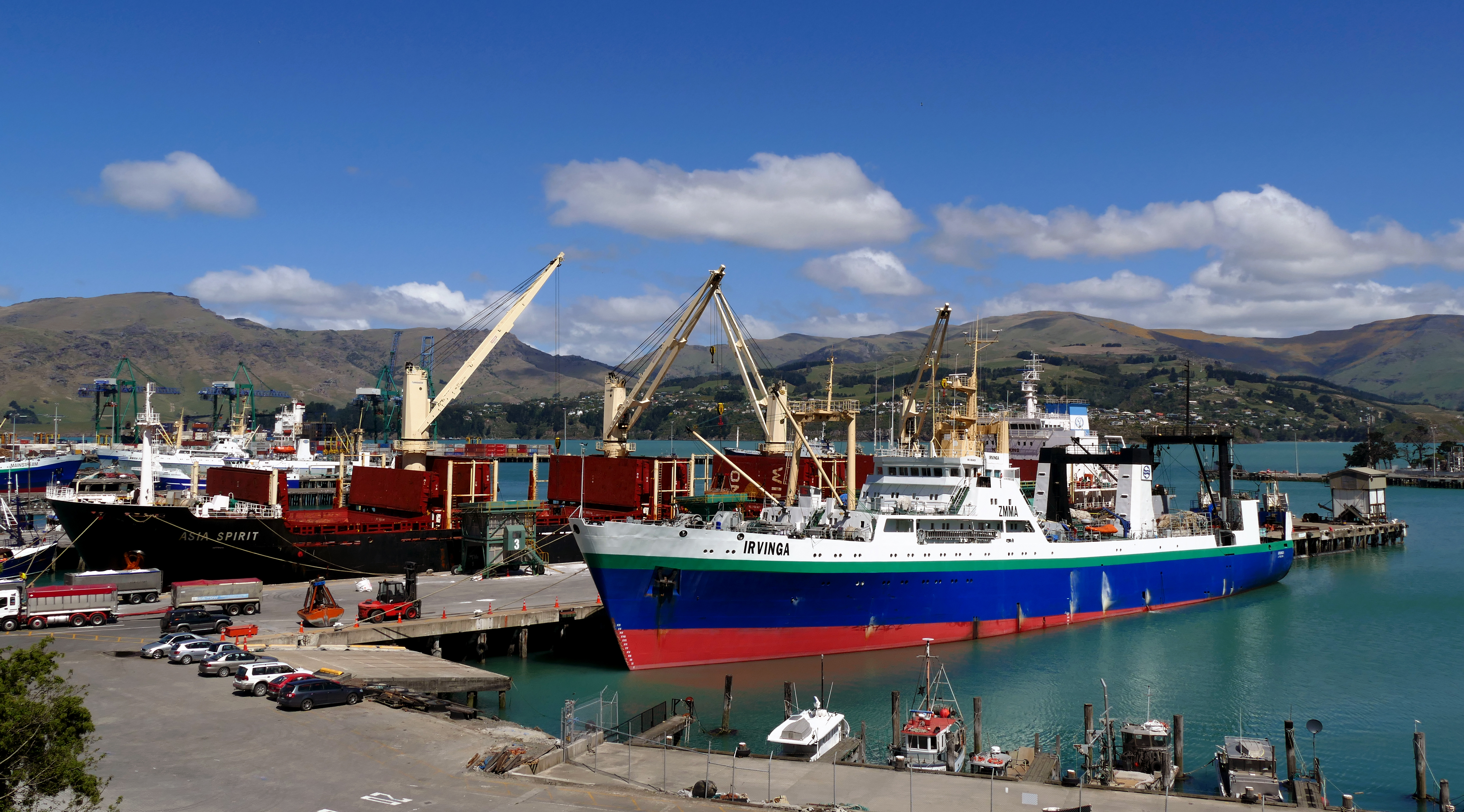
Lyttelton has long been the main port of the Canterbury / Christchurch area, having been opened in 1877 by the Lyttelton Harbour Board, later becoming the Lyttelton Port Company with the introduction of the Port Companies Act in 1988.
Between 1958 and 1967 the port saw such prosperity that Kaiapoi, on the coast north of Christchurch, briefly reopened its closed port facilities for a decade, to allow smaller ships to bypass the congested Lyttelton wharves.
In the 1970s the port was chosen as one of the main ports in the South Island to be dredged and upgraded for containerisation, with the container facility opening in 1977, the centenary of the initial opening.
Substantial quantities of South Island coal have been shipped from this port for the past 100 years. The port facilities have provided for LP gas and petrol for the past 50 years. In essence the port could be viewed (based on quantities of materials shipped in or out) as the primary port for energy shipments in the South Island.
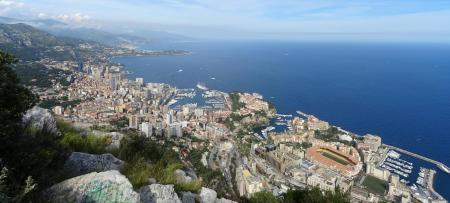
Download and utilize this beautiful high-resolution image titled Shipping. Port Lyttleton. NZ. This visual composition is an excellent choice for developers, bloggers, and content editors looking to add clean aesthetics to their digital layouts. This visual is closely associated with boat, free photos, harbours and lumix fz1000 themes, making it easy to integrate into matching design concepts. The crisp details and professional execution of this shipping. port lyttleton. nz make it a highly versatile background, hero image, or design element.
Whether you are illustrating an educational article, building an interactive mobile app, or designing engaging social media graphics, high-impact visuals are critical for maintaining user interest and lower bounce rates. Sourcing royalty-free graphics directly from Jooinn allows you to significantly reduce design overhead while maintaining professional-grade quality in your public-facing projects.
Licensing and Terms of Use: This file is released under the Creative Commons CC0 (Public Domain) license. The photographer has dedicated this work to the public domain to the maximum extent allowed by law. You can copy, modify, distribute, and perform the work, even for commercial purposes, completely free of charge, with no attribution required.